As you glide down the Nile aboard a dahabiya, watching the riverbanks shift from bustling cities to golden desert and swaying palms, you are sailing through more than a landscape. You are moving through one of the oldest continuously inhabited regions on Earth: Nubia, a land whose history runs as deep as the river itself.
A Civilization as Old as the Pharaohs
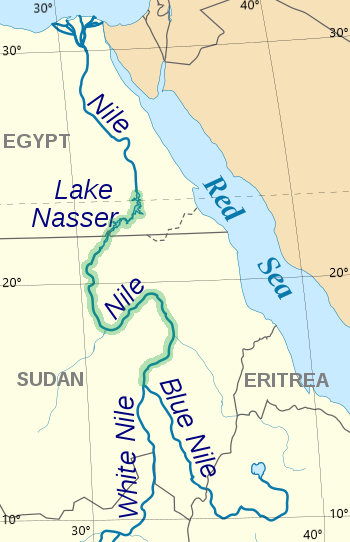
Long before many of the monuments tourists flock to see were built, Nubia was already a thriving civilization stretching along the Nile from southern Egypt into modern-day Sudan. Ancient Egyptians called this region “Ta-Seti,” the Land of the Bow, in honor of the Nubians’ famed skill as archers. Far from being a mere neighbor to Egypt, Nubia was a powerful and sophisticated culture in its own right, with a story that intertwines with, and at times rivals, that of the pharaohs.
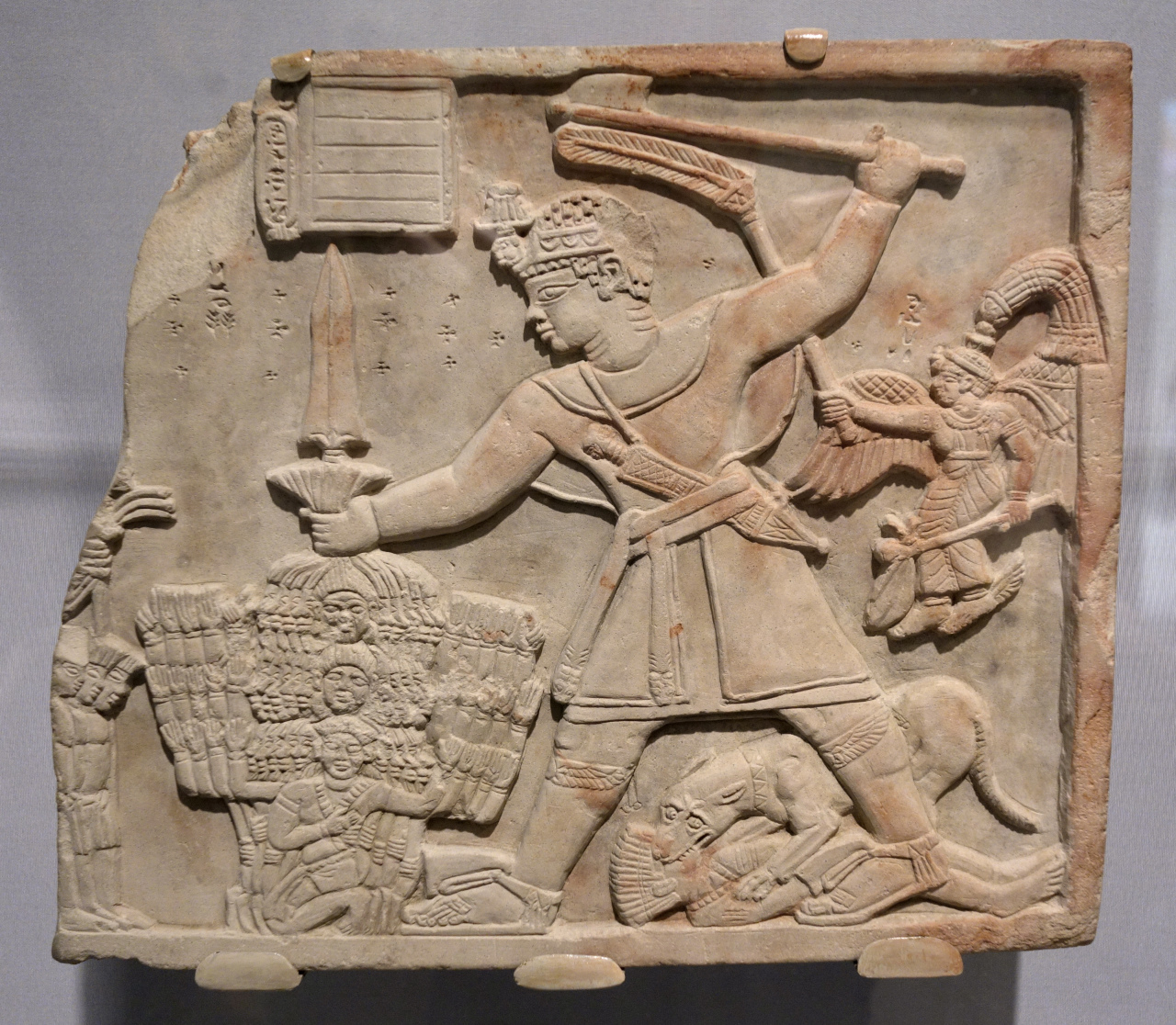
The Kingdom of Kush, centered around the Nubian cities of Kerma and later Napata and Meroe, grew into one of Africa’s great ancient powers. Nubian rulers traded gold, ivory, ebony, and incense along routes that connected sub-Saharan Africa with the Mediterranean world. At the height of their influence, Nubian kings even ruled over Egypt itself as the 25th Dynasty, sometimes called the “Black Pharaohs,” who governed a unified empire stretching from the Nile Delta deep into Africa.
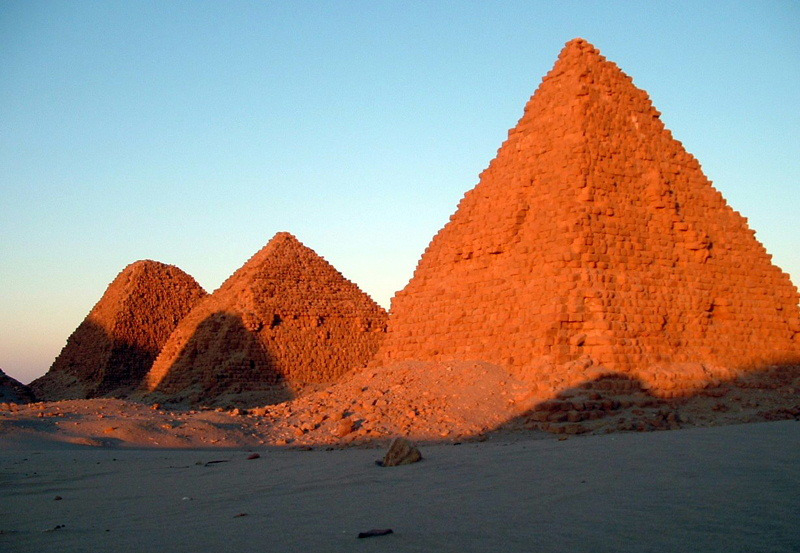
Nubia’s architectural legacy is equally striking. While the pyramids of Giza are famous the world over, few travelers realize that Nubia is home to more pyramids than Egypt itself. Over 200 smaller, steeper pyramids rise from the desert near Meroe, a testament to a distinct architectural style shaped by Nubian, rather than Egyptian, tradition.
Language, Faith, and a Distinct Identity
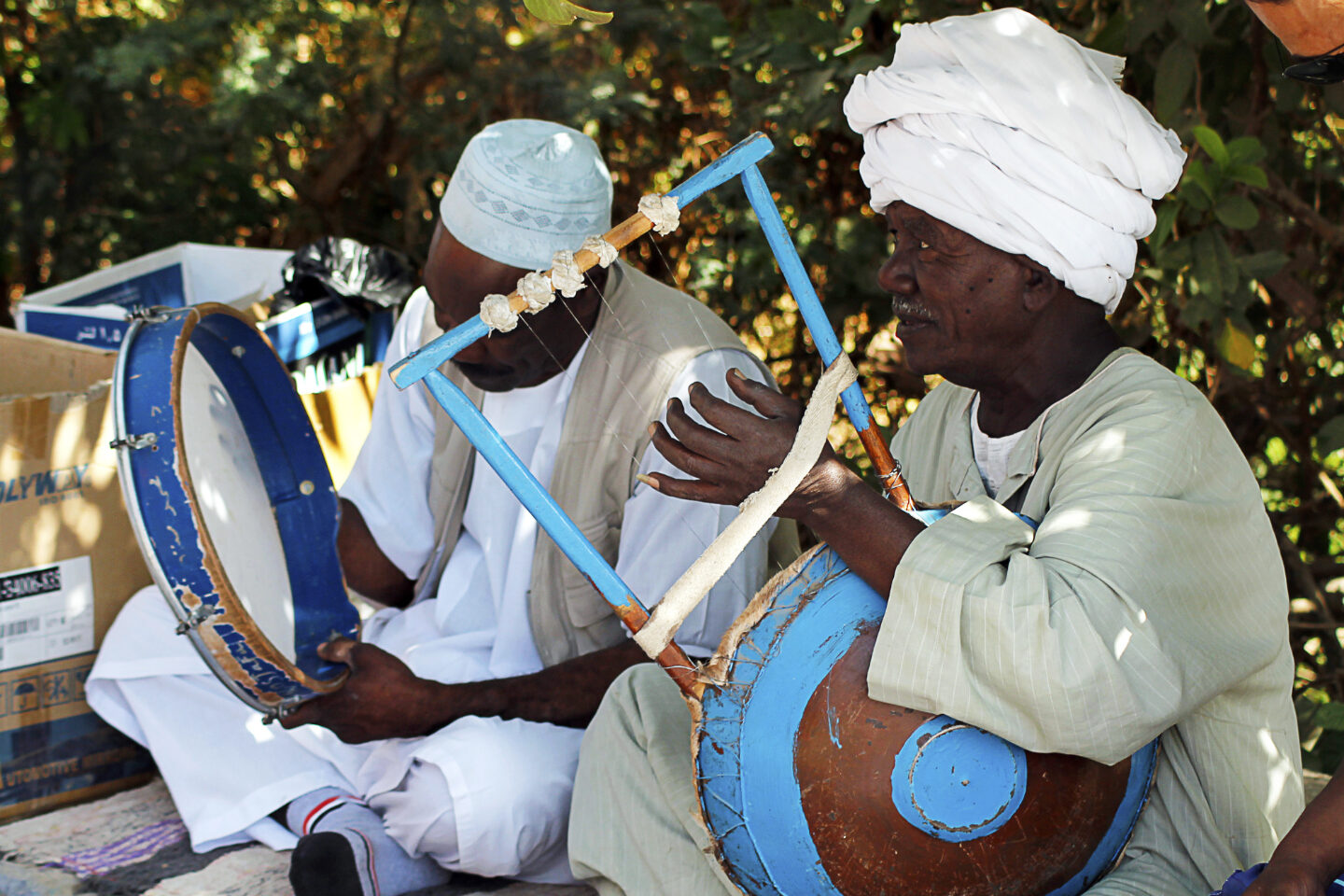
Nubian culture has always maintained its own identity, separate from that of Egypt. The Nubian language, part of the Nilo-Saharan language family, remains spoken today, primarily as an oral tradition passed down through generations. Nubians historically practiced their own religious customs, later embracing Christianity and, eventually, Islam, while retaining folk traditions, music, and rituals unique to their communities.
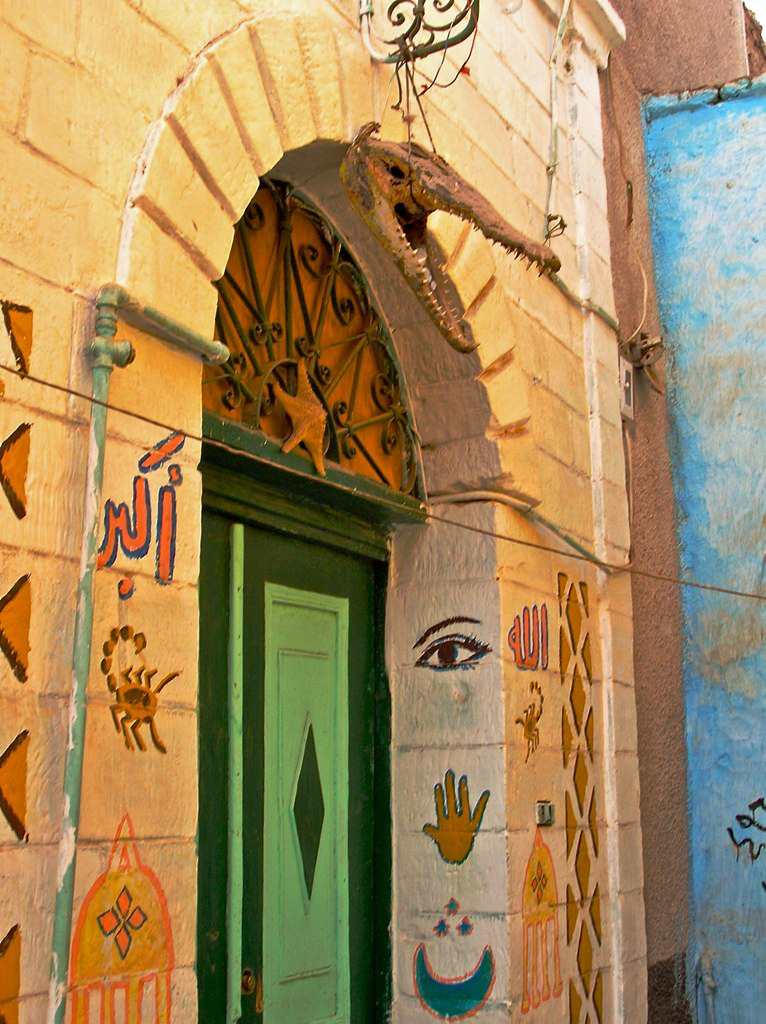
Nubian art and craftsmanship are similarly distinctive. Vivid geometric patterns, bold color palettes, and symbolic motifs decorate everything from pottery to home facades. Basket weaving, silver jewelry making, and henna artistry remain living traditions, practiced by artisans who learned their craft from parents and grandparents rather than institutions.
A Culture Reshaped by the River
No account of Nubian history is complete without acknowledging the profound impact of the 20th century on Nubian life. The construction of the Aswan Dams, and particularly the Aswan High Dam in the 1960s, created Lake Nasser and submerged much of ancient Nubia beneath its waters. Tens of thousands of Nubians were displaced from villages their families had inhabited for millennia, relocating to new settlements along the Nile near Aswan and Kom Ombo.
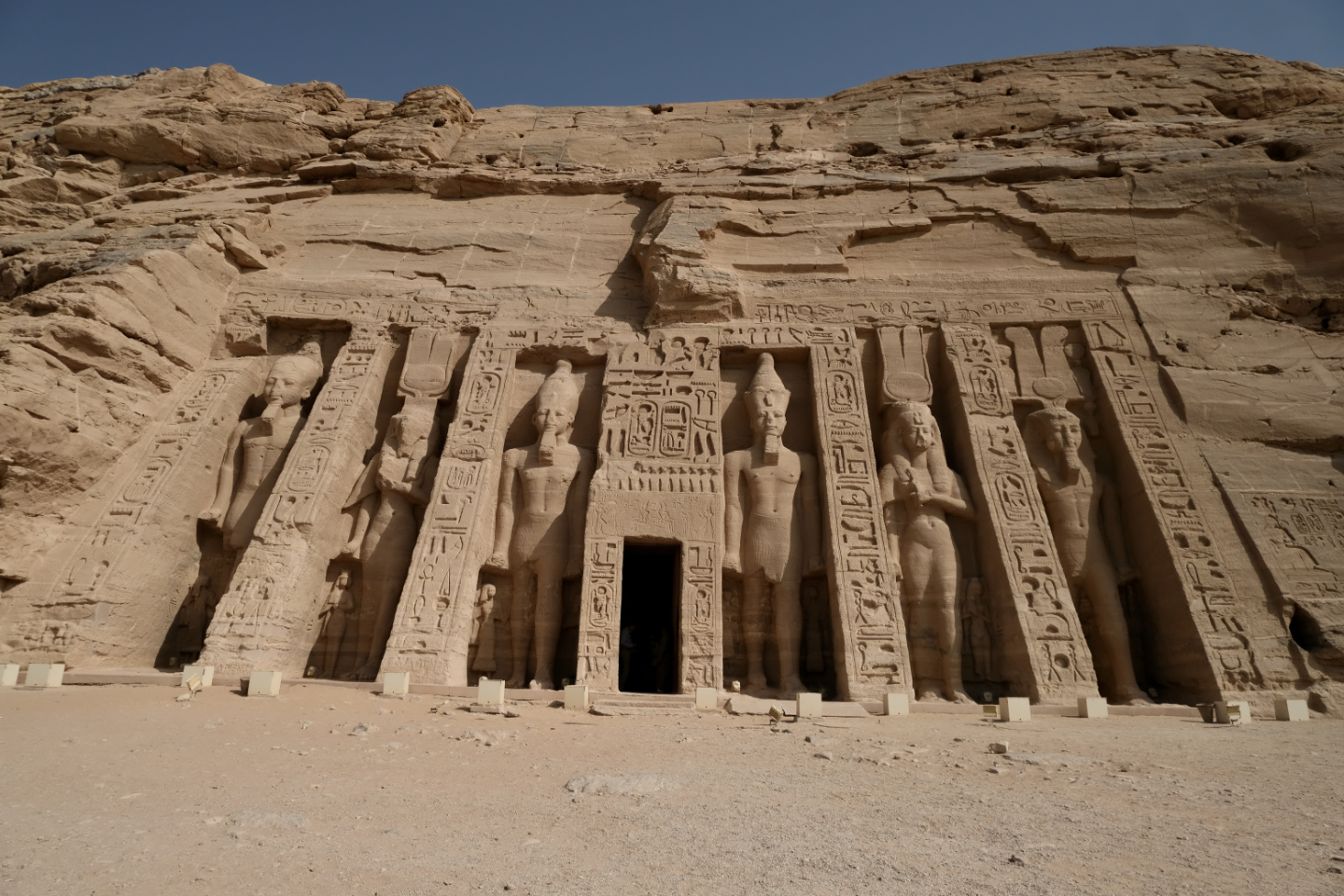
In an extraordinary international effort, UNESCO led a campaign to rescue Nubian monuments from the rising waters, most famously relocating the great temples of Abu Simbel piece by piece to higher ground. Yet no engineering feat could preserve the villages, farmland, and daily rhythms of life that were lost. Despite this displacement, Nubian communities have shown remarkable resilience, rebuilding their cultural life and passing their heritage forward with pride and determination.
Nubian Culture Today
Today, Nubian villages near Aswan pulse with color and life. Homes are often painted in brilliant blues, yellows, and greens, adorned with hand-painted motifs of crocodiles, palm trees, and geometric designs believed to bring good fortune. Visitors are frequently welcomed with warm hospitality, sweet hibiscus tea, and the sound of traditional music echoing through narrow lanes.
For travelers moving slowly along the Nile, as one does aboard a dahabiya, there is something fitting about encountering Nubian culture up close. The unhurried pace of a sailing vessel mirrors the patient, generational rhythm of Nubian life itself.
Guests sailing with us who wish to go beyond the riverbanks can add an optional excursion to a Nubian village in Aswan onto their itinerary, offering a chance to walk through these colorful communities, meet local artisans, and hear firsthand stories from a culture that has endured for thousands of years. As with all of our shore excursions, this experience is available exclusively as an add-on to a booked sail.
Sailing the Nile has always meant sailing through history, but a visit to Nubia offers something rarer: a living connection to a civilization that has never stopped writing its own story. Long after the pharaohs faded into legend, Nubian culture continues, vibrant, resilient, and proudly its own.