Egypt’s pharaohs are often pictured as men wearing a striped royal head cloth and a ceremonial false beard. Yet across three thousand years of pharaonic history, several women held real power, some as regents and some as kings in their own right. Their stories survive in temple walls, tomb inscriptions and ancient king lists.
Merneith: The First Woman at the Top?
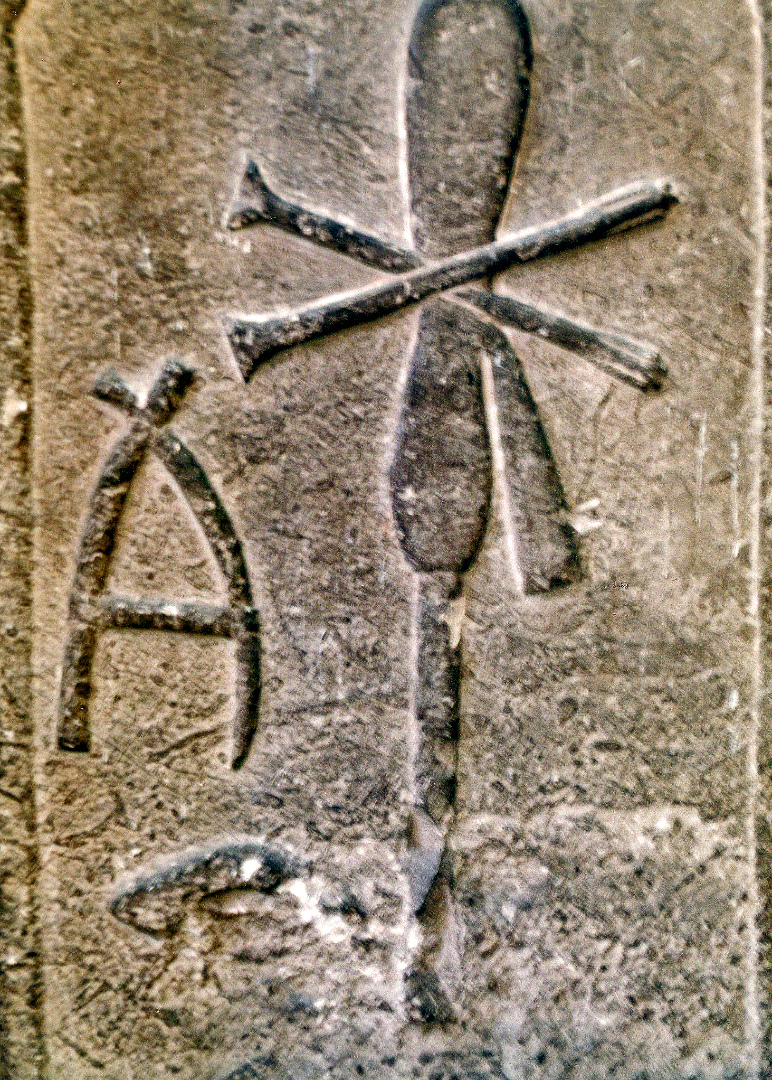
Our story begins near the very start of Egyptian history, around 2950 BCE, in the First Dynasty. Merneith was buried at Abydos in a tomb of royal scale, surrounded by subsidiary burials, a privilege reserved for the highest rank. Seal impressions from the tomb of her son Den name her as king’s mother. Many Egyptologists think she acted as regent while Den was young. Whether she ruled as king in her own right is debated, because the evidence is thin and open to interpretation.
Sobekneferu: A Female King Recorded in the King Lists
Around 1806 BCE, the Twelfth Dynasty ended with Sobekneferu, a daughter of Amenemhat III. The Turin King List, a papyrus compiled centuries later, records her reign as roughly three years, ten months and 24 days. Surviving statues and inscriptions show her adapting the royal titles for a woman, and a record of the Nile’s flood level at Semna carries her name. Her building work was modest, but she is among the earliest women firmly attested as king.

Hatshepsut: The Builder
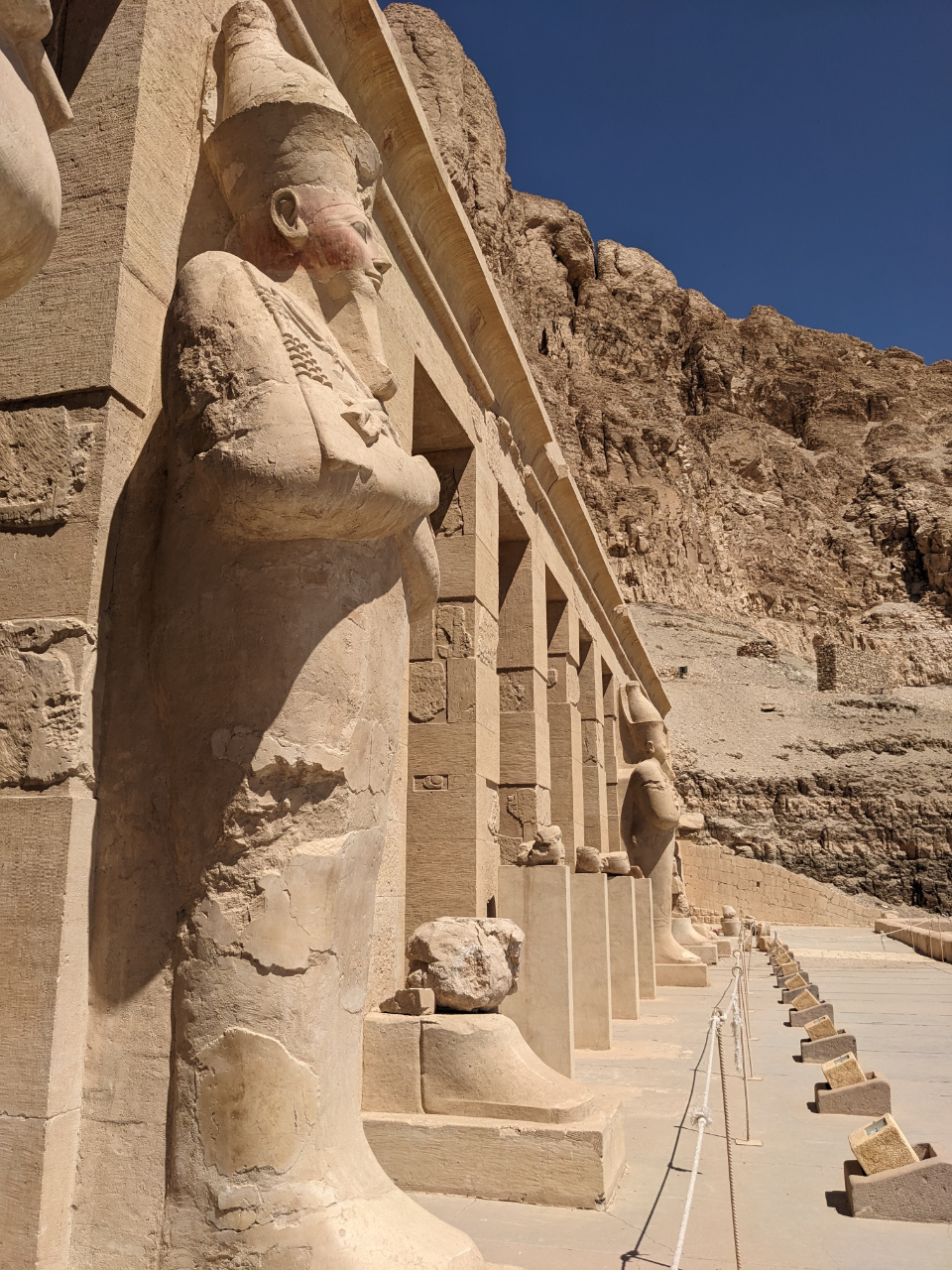
Hatshepsut (c. 1479–1458 BCE) is the best-documented female ruler of ancient Egypt. She began as regent for her stepson Thutmose III, then took the full titles of king around the seventh year of his reign. Her monuments make her case: obelisks at Karnak, and her temple at Deir el-Bahari, with its colonnaded terraces set against the cliffs of western Thebes. Its walls record a trading expedition to Punt, a land on the Red Sea coast, which returned with myrrh trees, incense and exotic goods.
Her statues sometimes show her in male regalia, in keeping with the conventions of kingship rather than any attempt to hide her sex, since inscriptions regularly use feminine grammar for her.
The popular story is that Thutmose III erased her out of hatred. The evidence suggests otherwise. The defacing of her monuments seems to have begun about twenty years after her death, and some scholars link it to securing the succession for Thutmose III’s own heirs. It was not an immediate act of revenge.
Tausret: The Last Ruler of a Dynasty
Tausret was the wife of Seti II. After his death she acted as regent for the young Siptah, and when he died she took the throne herself, ruling around 1191–1189 BCE at the end of the Nineteenth Dynasty. She built a tomb (KV14) in the Valley of the Kings, though it was later taken over by her successor Setnakhte. Her reign was brief, and the dynasty ended soon after.
Nefertiti: A Question Mark
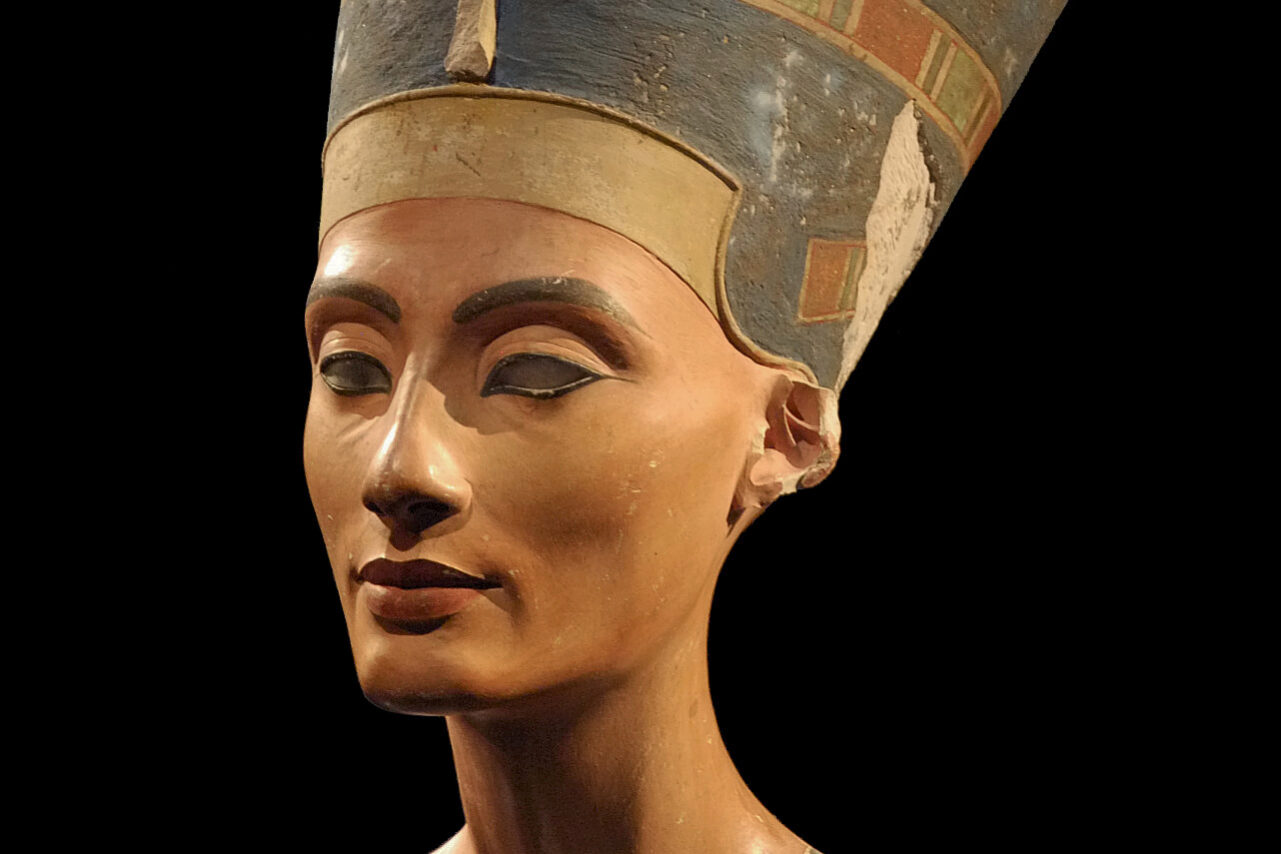
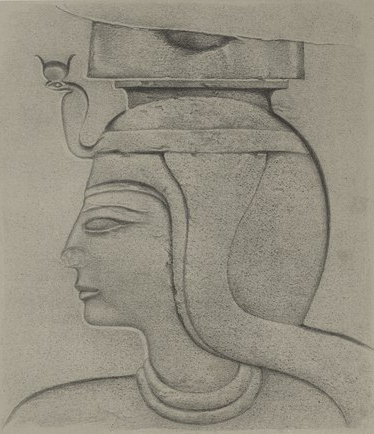
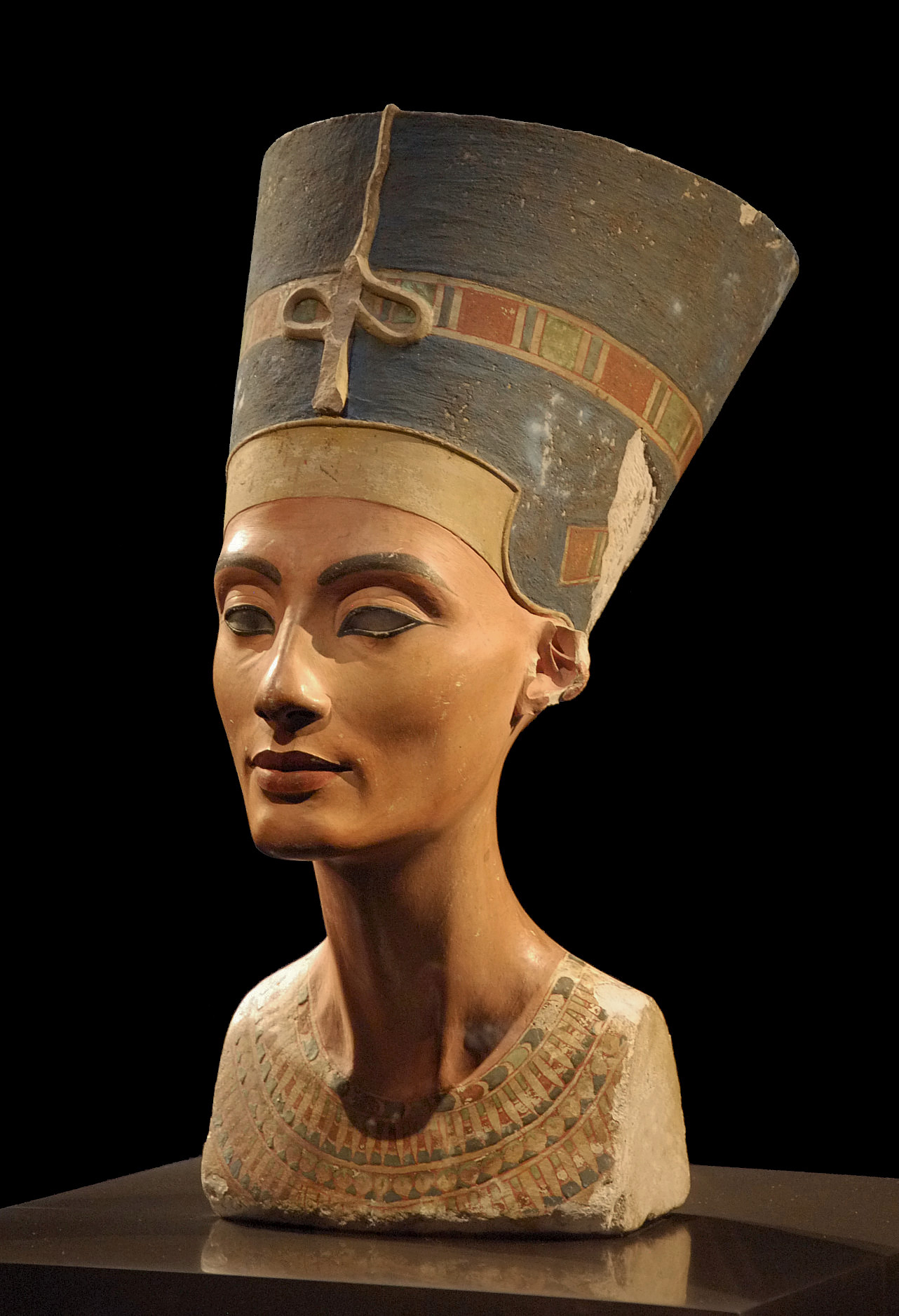
Nefertiti, Great Royal Wife of Akhenaten, is one of the most famous women of antiquity, thanks in part to her painted limestone bust in Berlin. Her power as queen is well documented, as she appears in scenes almost on equal footing with the king. Whether she later ruled as pharaoh under the name Neferneferuaten is still debated. The evidence is ambiguous, and anyone who tells you it is settled is overstating the case.
Cleopatra VII: The Last Pharaoh
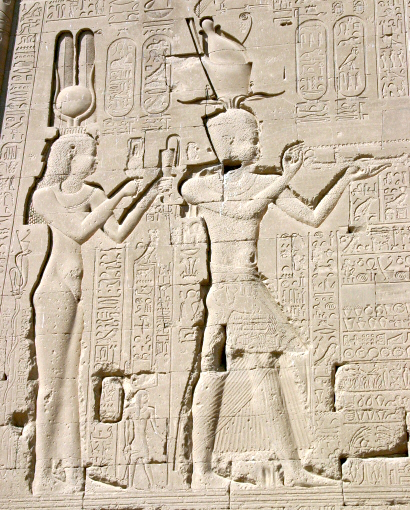
Cleopatra VII (51–30 BCE) belonged to the Ptolemaic dynasty, a Macedonian Greek family that ruled Egypt after Alexander the Great. Ancient writers such as Plutarch say she was the first of her line to learn the Egyptian language. A relief at the Temple of Dendera shows her with her son Caesarion in the traditional manner of an Egyptian ruler. Her alliances with Julius Caesar and Mark Antony were an attempt to preserve Egypt’s independence, which ended after her defeat by Octavian and her death in 30 BCE.
Walking in Their Footsteps
Many of these women left their mark along the Nile, and a dahabiya, the traditional sailing boat of the river, is a lovely way to find it. Hatshepsut’s temple rises from the cliffs at Deir el-Bahari, and Tausret’s tomb lies in the Valley of the Kings, both on the West Bank at Luxor. Further south, the Ptolemaic temples of Edfu and Kom Ombo and the temple of Isis at Philae belong to the world Cleopatra inherited.
Read about them at home and they are merely names and dates. Stand in their temples, beneath the same cliffs and sky, and they start to come alive. Some stories are best understood where they happened.