The magic word: baksheesh
If you’ve read anything about travelling in Egypt, you’ve met the word baksheesh. It covers a lot of ground: a thank-you for good service, a small gift, a little something that keeps daily life friendly and moving. For first-time visitors, it’s also one of the most common sources of uncertainty. Who should I tip? How much? In what currency? When?
On a dahabiya, where a small crew looks after a small group of guests for several days, tipping is a natural and much-appreciated part of the journey. This guide explains what’s customary, so you can relax and enjoy the river instead of doing mental arithmetic.
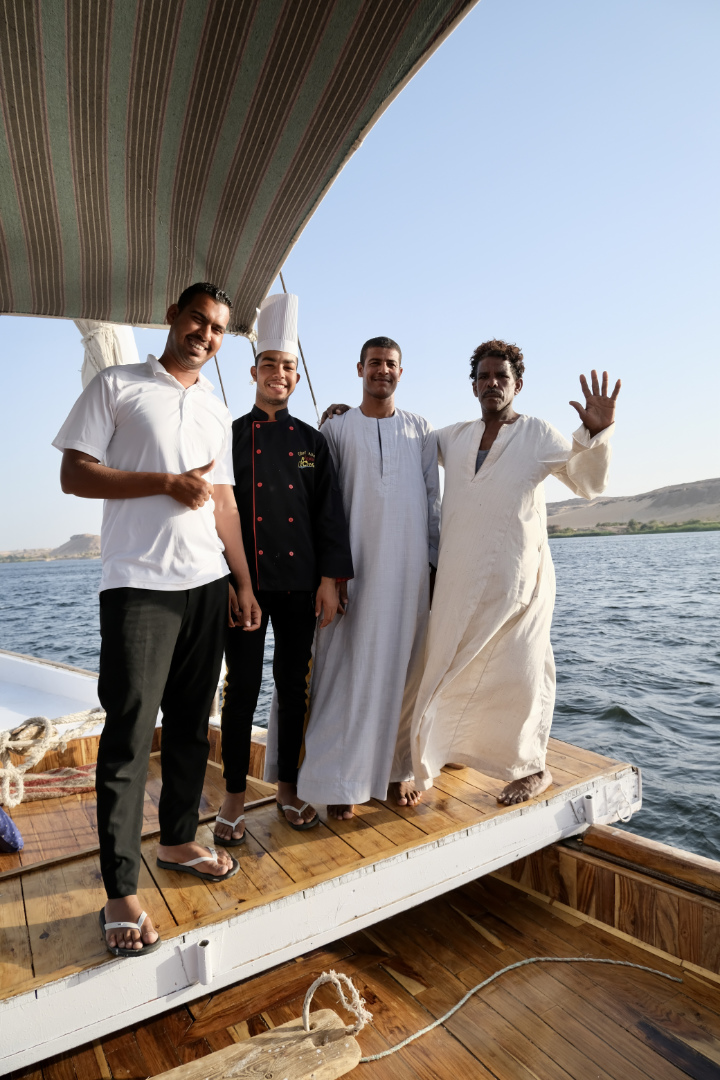
Tipping the crew: €10 per guest per night
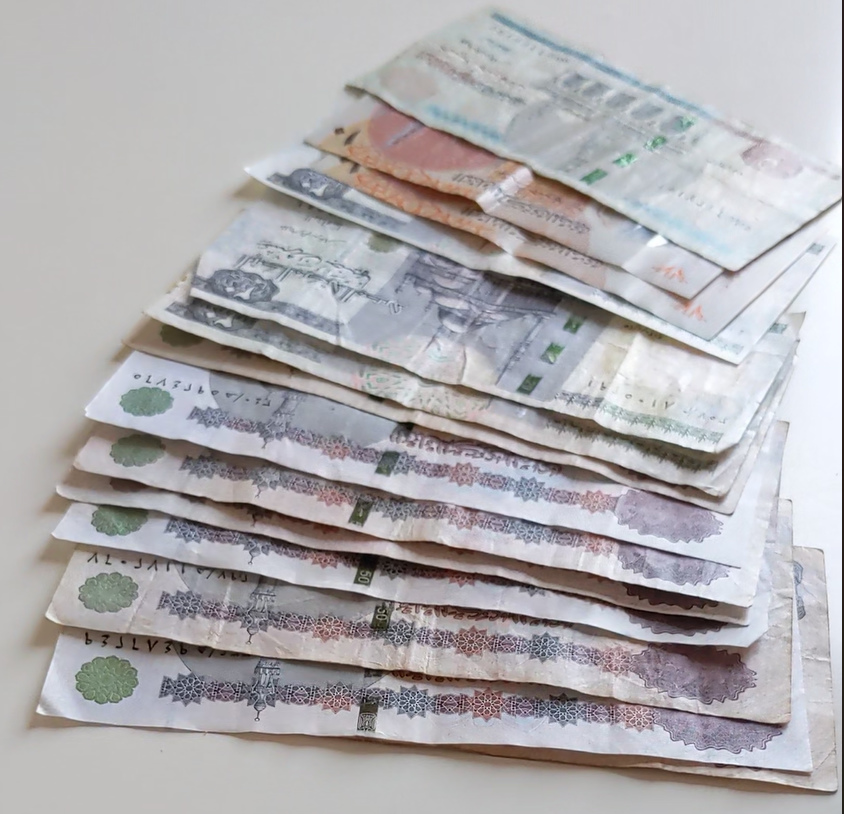
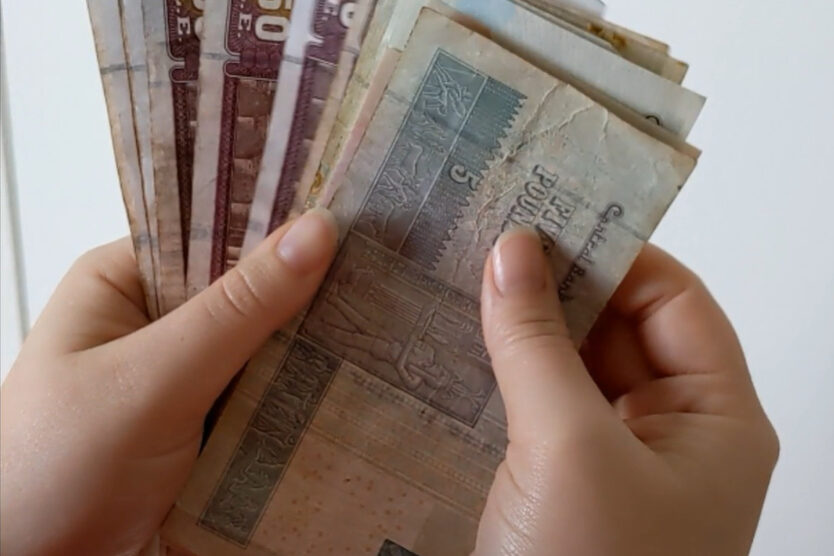
Our guideline for the dahabiya crew is €10 per guest per night (about 600 EGP). That is a shared tip for everyone who looks after you on board: the chef and kitchen team, the cabin and deck staff, and the sailors who keep the boat moving, often without you ever noticing.
A few things worth knowing:
- It’s per guest, per night. A couple on a four-night cruise would budget €80 (about 4,760 EGP) in total.
- It’s a thank-you, not a bill. Tipping is always at your discretion. Most guests find that after a few days with a crew who cook, serve, steer and sail for them, the guideline feels easy to follow.
- We accept several currencies. Egyptian pounds, Euros, US Dollars and UK Sterling are all welcome on board, so there’s no need to hunt for an exchange counter just for the crew tip.
EGP amounts in this post are rounded and based on a mid-market rate of about 59.5 EGP to the euro, as of 13 September 2026. The pound fluctuates, so check the current rate before you travel.
Tipping your guide
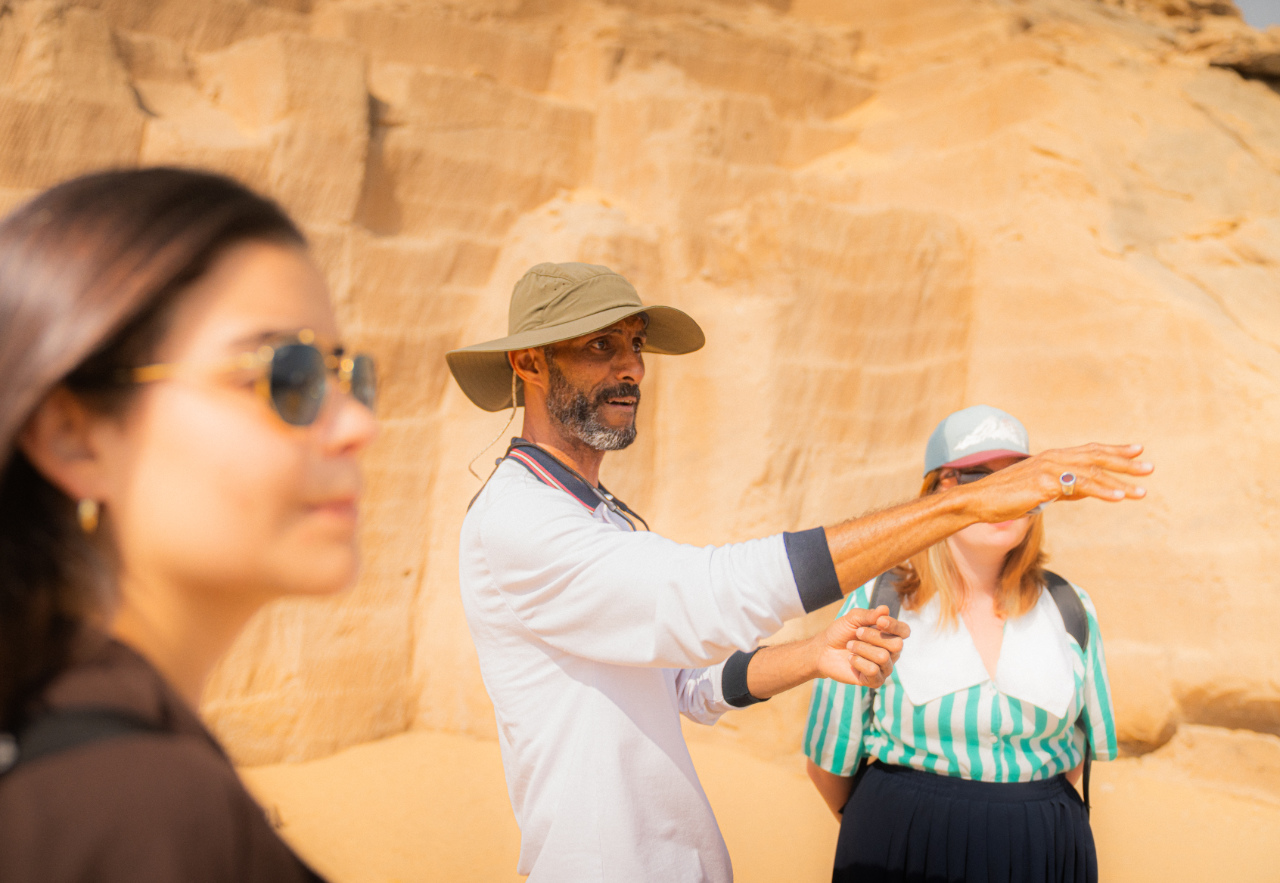
Guide tips are the trickiest part of tipping in Egypt, because expectations vary a great deal from guide to guide and from company to company. We looked at what several well-known Egypt travel resources suggest, and the range is wide.
One popular guide recommends roughly €25–45 per day (about 1,500–2,700 EGP) for a private Egyptologist, whether you are travelling solo or as a couple, with about €9 extra for each additional person. Another suggests €10–13 per person per day. A few operator-run websites go much higher, up to €70–85 per day. Most independent advice treats those higher figures as inflated, and warns that applying home-country habits (like a flat 20%) can set expectations that aren’t sustainable for the next traveller. (Several of these sources quote US dollars; the euro figures here are rounded conversions.)
Setting the inflated operator figures aside, the independent sources work out to roughly €10–22 per person per day for a couple. We suggest the middle of that range: around €16 per person per day (about 950 EGP, or €32 for a couple) for a dedicated guide who is with your group throughout.
Some practical tips:
- If you have the same guide for the whole trip, tip once at the end rather than every day.
- Hand it over directly, ideally in an envelope, with a sincere thank-you.
- Adjust for the experience. A guide who went above and beyond, perhaps by tailoring a visit to your interests, deserves recognition. A small group or a family can reasonably tip toward the lower per-person end, because the daily amount is shared across more people.
- Ask us. If you’re unsure what’s appropriate for your itinerary, send us an email before you travel. We’re happy to help.
Drivers, porters and everyone else
Outside the boat, a few more tipping moments will come up:
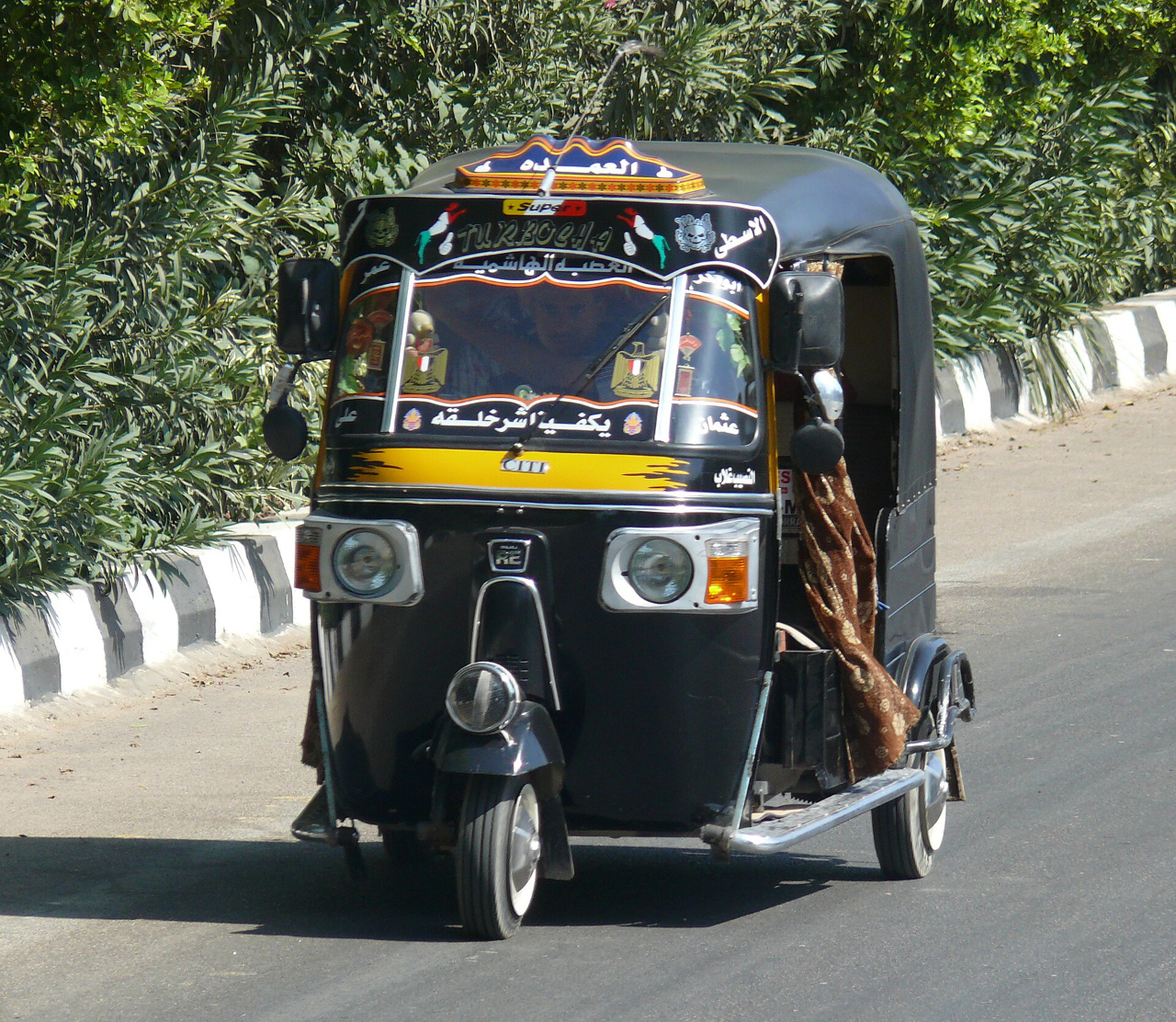
- Drivers: roughly €3.50–5 per day per group (about 210–300 EGP), not per person, handed over at the end of each transfer or excursion day.
- Porters: around 50–100 EGP per bag (about €0.85–1.70).
- Restaurants: check your bill. If a service charge is included, simply round up the total. If not, add about 20% for good service, and nothing if the service wasn’t good.
- Taxis, horse-drawn carriages and tuktuks: agree the price before you set off. It often already includes a tip.
Tipping at temples, tombs and monuments
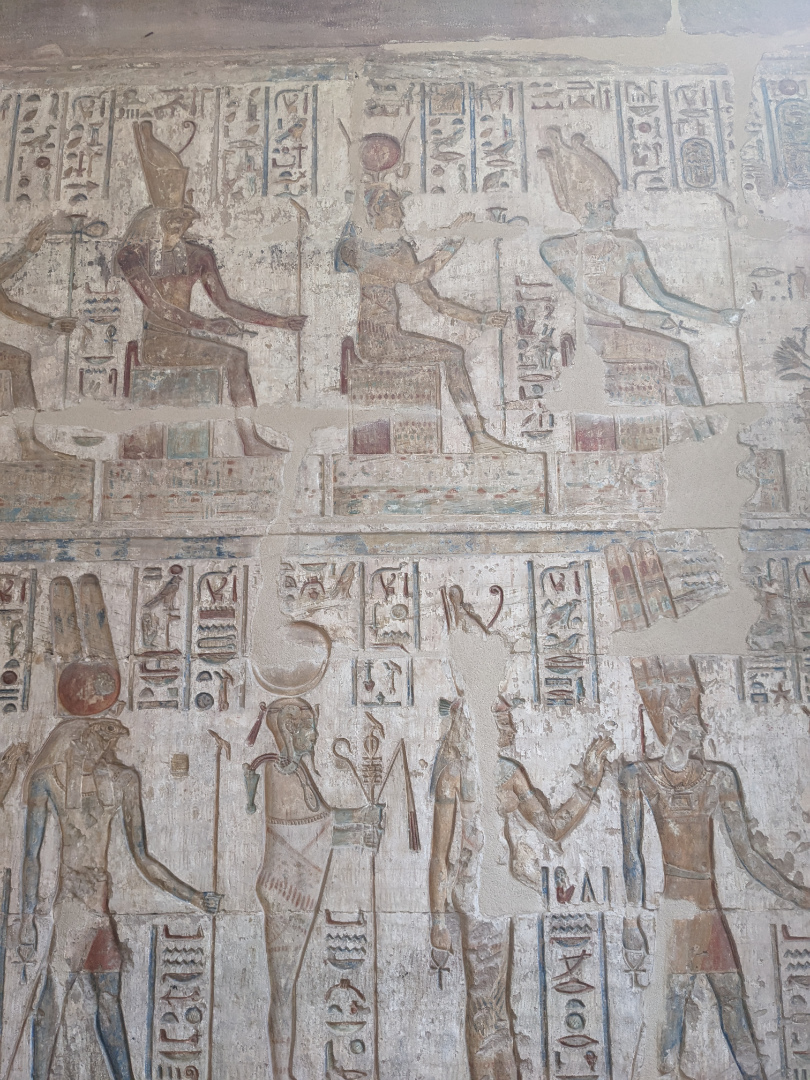
If you add days of sightseeing in Cairo, Luxor or Aswan beyond your cruise, you’ll meet a more informal side of baksheesh at the sites themselves. Many site workers earn low wages, and tips are widely seen as a normal part of their income, which is why there is no fixed standard.
- Tomb and temple guards: if one shows you a carving or a detail you wanted to see, 20–50 EGP (about €0.35–0.85) is a typical thank-you. Some guards start explaining before you’ve asked and then expect payment. You can politely decline.
- Bathroom attendants: 10–20 EGP (about €0.15–0.35) on your way out.
- Felucca captains: around 100–200 EGP per hour in total (about €1.70–3.40), paid to the captain at the end of the ride.
- Photos: some guards hint that a photo is fine in return for baksheesh. Follow the posted rules, ask politely first, and let your guide handle it where you can.
Egyptian pounds work best at the sites. Hand the money over discreetly with a smile and a shukran, and you’ll rarely have a problem.
A few words that go a long way
Tipping in Egypt is as much about warmth as money. Handing over a tip with a smile and a heartfelt shukran (thank you) is understood and appreciated everywhere. As we like to say to our guests: be courteous and open, and you will receive a warm welcome in return.
Quick reference
- Crew: €10 per guest per night (about 600 EGP)
- Guide: around €16 per person per day (about 950 EGP), at the end of the trip if the same guide throughout
- Driver: €3.50–5 per day per group (about 210–300 EGP)
- Porters: 50–100 EGP per bag
- Tomb guards, bathroom attendants, felucca captains: 10–50 EGP, or 100–200 EGP per hour for a felucca
- Restaurants: round up if service is included, otherwise about 20% for good service
- Taxis, carriages, tuktuks: agree the price in advance
Tipping should never be a source of stress. Think of it as a simple way to say thank you to the people who make your time on the Nile unforgettable. Questions? Email us at info@sail-the-nile.com and we’ll gladly help you plan.