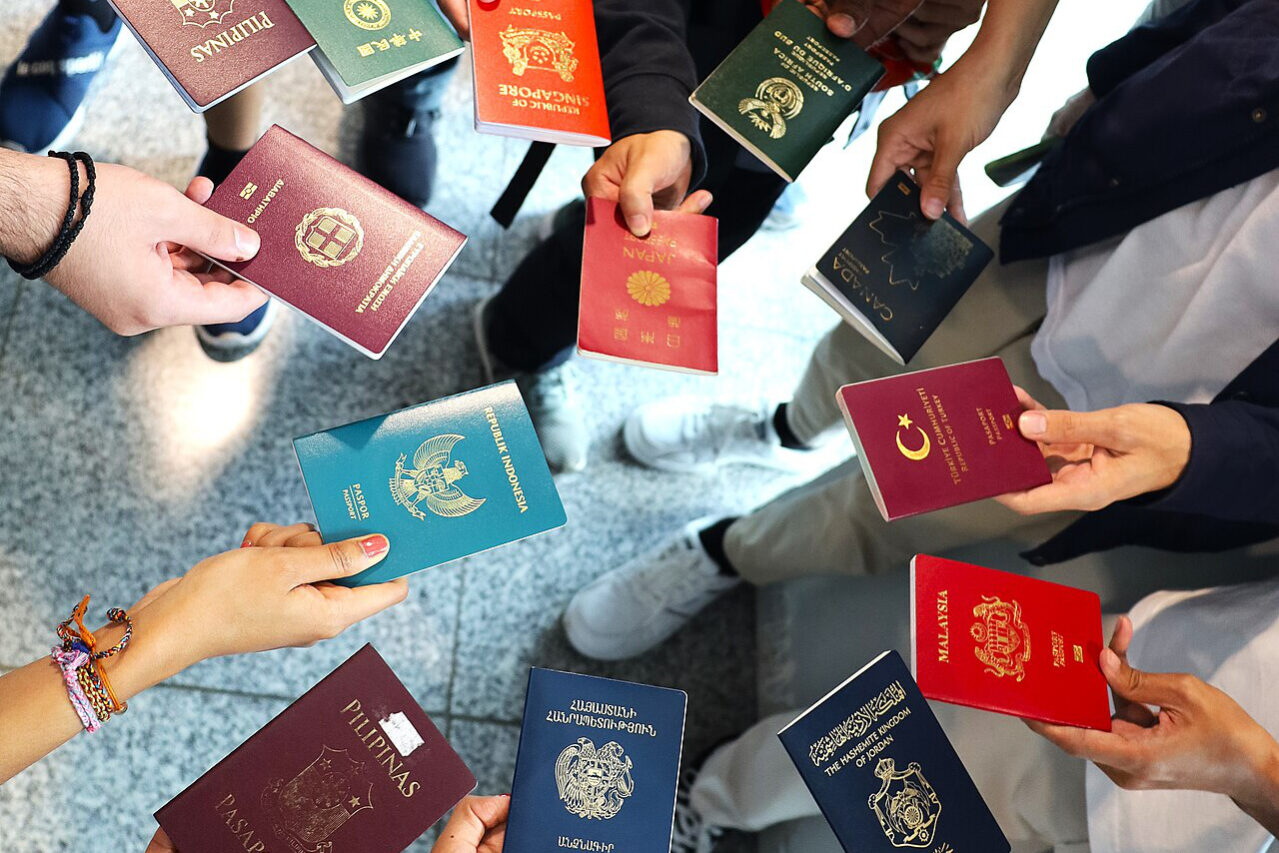
There has never been a better moment to drift along the Nile on a dahabiya. Egypt has just announced a landmark change to how international visitors enter the country, and it removes one of the last small anxieties that travellers sometimes have before deciding to come to Egypt
In May 2026, the Egyptian government confirmed that a fully digital visa-on-arrival system will go live at Cairo International Airport in August 2026. The announcement was made at the highest level, with Prime Minister Mostafa Madbouly present alongside the Minister of Tourism and Antiquities. It marks the end of the paper visa sticker era and the beginning of something much smoother.

What has actually changed?
Until now, most visitors arriving at Cairo Airport have had to join a queue at a bank counter inside arrivals, purchase a paper visa sticker, have it affixed to their passport, and only then proceed to passport control. On a busy day, this could add a substantial amount of time to an already long journey.
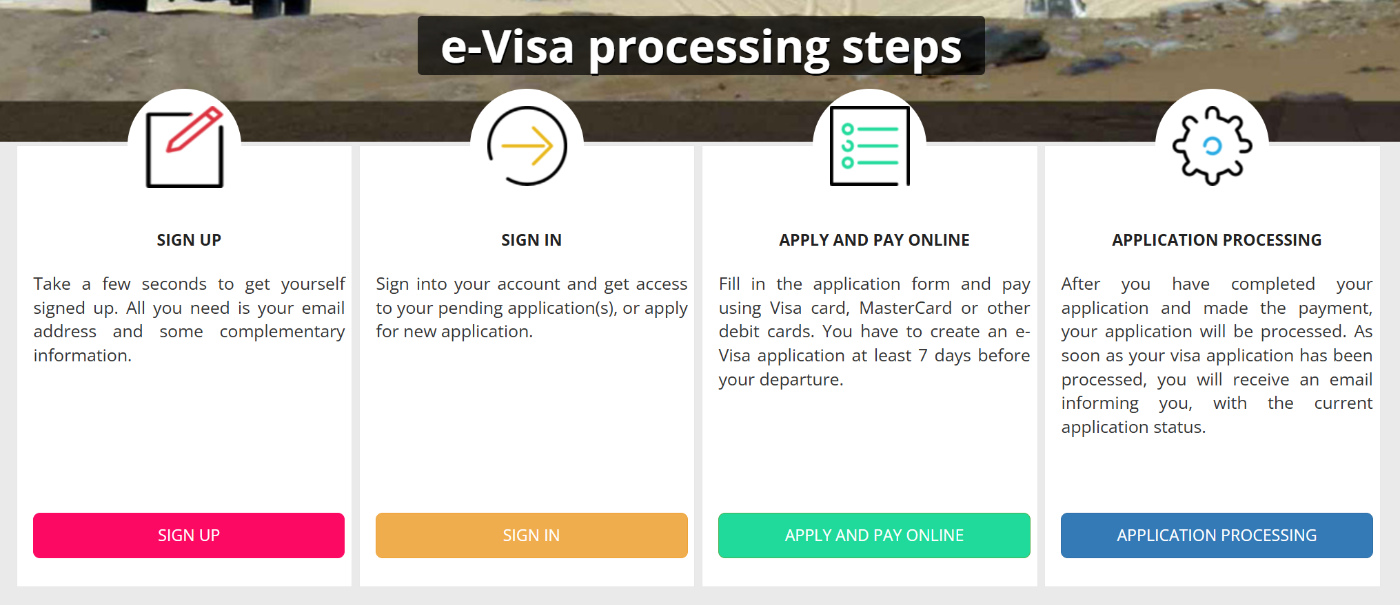
The new system replaces that process entirely with a QR code-based digital visa. Eligible travellers will be able to complete their application and pay their fee electronically, either through an online portal, a dedicated mobile app, or self-service kiosks at the airport, and receive a QR code that is linked directly to their passport. At immigration, the code is scanned and you move on. The visa-on-arrival has not been eliminated however, it has simply been digitized and made far more convenient.
The system will launch across all terminals at Cairo Airport in August 2026, with a gradual rollout to other Egyptian airports to follow. Egypt has been quietly building towards this — a pilot program was run at Cairo last year — so the August launch is the first full-scale deployment of a unified national platform.
What this means for dahabiya travellers
If you are planning a dahabiya voyage, arriving into Cairo before making your way south to Luxor or Aswan, this change is unambiguously good news. The arrival experience at Cairo’s airport has always been manageable, but the new digital process promises shorter queues, faster clearance, and the option to have everything sorted before you even board your flight. You can land, scan, and start thinking about the river.
For first-time visitors to Egypt in particular, knowing that the visa process is already handled removes a layer of uncertainty that can colour an entire arrival day. You step off the plane with your QR code ready and your mind already on the journey ahead: the colorful ceilings of the Khnum Temple in Esna, the temples at Kom Ombo rising from the bank, the silence of a late afternoon on the water.

How to apply: a simple checklist
- Check your eligibility
Confirm that your nationality qualifies for visa-on-arrival or the e-visa route. If you hold a valid Schengen, US, or UK visa, or are a GCC resident, you may not need a separate application at all. When in doubt, check with the Egyptian Embassy or consulate for your country. - Have your passport ready
Your passport must be valid for at least six months beyond your intended travel dates. Have the details to hand — passport number, issue and expiry dates, and the personal data page — before you begin the application. - Apply online within 48 hours of departure
Once the portal goes live in August 2026, eligible travellers can submit their application through Egypt’s official e-visa website (https://applyevisa.com/egypt/apply-visa), the dedicated mobile app, or airport self-service kiosks. The window for advance online applications is within 48 hours of your departure, so the night before you fly is fine.
- Pay the fee by card
Visa fees and any service charges are paid electronically as part of the application, no cash required, no separate bank counter. The standard tourist visa fee has been updated to $30 USD though you should confirm the current rate on the official portal before applying, as fees can change. - Save your QR code
Once approved, you will receive a QR code linked to your passport. Save it to your phone and screenshot it, having an offline copy means you are not relying on airport Wi-Fi. A printed copy never hurts either. - Arrive, scan, and go
At Cairo Airport immigration, present your passport and QR code. The code is scanned, verified against your passport details, and you proceed. No queuing at bank counters, no stickers, no fumbling for cash. The Nile is already closer than it was.


Egypt is open, confident, and ready for visitors
This reform is part of a broader ambition. Egypt has been investing heavily in its tourism infrastructure by modernising airports, expanding heritage site access, and now streamlining the first impression that every visitor receives. The digital visa announcement sends a clear signal: Egypt wants more travellers, and it is willing to make the welcome as smooth and easy as possible.
For us, it reinforces something we already know. The Nile is one of the world’s great journeys, civilization laid bare along a single thread of water, temples and tombs and village life passing slowly at the pace a dahabiya naturally keeps. The entry process into Egypt has never been the point, it has always been what comes after. Now it is simply less of a thing to think about.
If 2026 or 2027 is the year you finally make the journey — and it should be — the paperwork is one less reason to hesitate. Check your nationality’s eligibility, prepare your documents in advance through the official portal once it opens, and let your dahabiya do the rest.
Of course, you can also still use the standard process which we have described in this article.
The river is exactly as it has always been. And now getting to it is easier than ever.